7 Effective TMJ Treatment Options That Actually Work
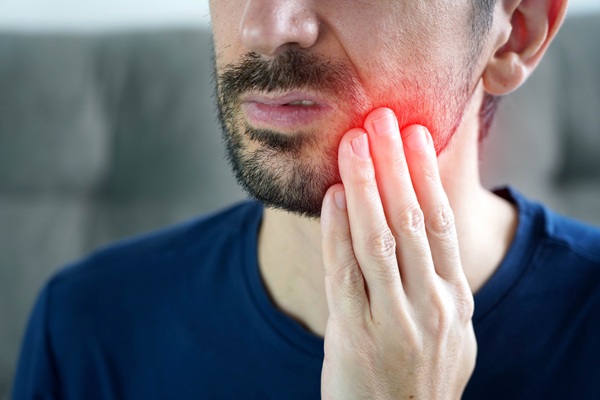
TMJ treatment can reduce jaw pain, clicking, and tight facial muscles by addressing the habits, inflammation, and joint mechanics that drive discomfort. Many cases improve with conservative care that supports healthier jaw movement and lowers strain on the temporomandibular joints, while others may require professional care from a general dentist. Regardless, early intervention helps prevent the progression of symptoms and protects the joint from long-term wear and tear. Here are seven to consider.
1. Jaw rest and smart habit changes
TMJ treatment often starts with reducing daily strain on the jaw to allow the area to heal. Therefore, avoiding chewing gum, hard or chewy foods, nail-biting, and excessive yawning can help calm irritated muscles and joints. Many people also benefit from keeping their teeth slightly apart at rest and maintaining a relaxed jaw posture throughout the day. These small adjustments reduce the constant pressure placed on the joints and surrounding tissues.
2. Heat or cold therapy for short-term relief
Heat relaxes tight jaw muscles and can improve comfort before stretching or performing recommended exercises. Cold packs can reduce flare-related soreness, particularly after heavy use or prolonged clenching. Many care plans alternate these methods based on symptom patterns and the type of discomfort present. Consistent application of these therapies during a flare can help effectively manage inflammation and muscle spasms.
3. Guided jaw exercises and physical therapy
A structured exercise plan can improve the range of motion and support smoother jaw tracking during movement. Physical therapy may also address neck posture and muscle tension that contribute to jaw strain. TMJ treatment frequently improves when exercises focus on control and stability rather than aggressive stretching. Working with a professional, like a general dentist, ensures that the movements are performed correctly and do not aggravate the joint further.
4. Short-term medication when appropriate
Over-the-counter (OTC) anti-inflammatory medications can reduce pain during brief flare-ups in many patients. The dentist may also consider other medications in select cases, depending on the type of symptoms and medical history. A dental evaluation helps ensure safe use, particularly for patients with gastrointestinal, renal, or bleeding concerns. These medications are typically used as a temporary measure to break the cycle of pain and inflammation during active treatment.
5. Occlusal splints or guards for clenching and grinding
General dentists can provide a custom-fitted splint or mouthguard to reduce overload on the jaw joint and protect teeth from grinding-related wear. This option tends to help most when bruxism (grinding or clenching) drives symptoms, especially during sleep. These options can create a buffer against pressure, helping to better protect the TMJ joints, teeth, and other dental work, such as crowns or bridges.
6. Trigger point therapy and targeted injections
Some patients experience muscle-dominant pain with tight, tender areas that respond to focused treatment. Specially trained dentists may use local approaches, such as trigger-point therapy, to release these knots. TMJ treatment is most effective here when it pairs symptom relief with habit changes and therapy that prevents recurring overload. Addressing the underlying muscle tension can provide significant relief for chronic joint pain.
7. Advanced procedures and joint care
When conservative care does not relieve symptoms and imaging demonstrates joint disease, advanced interventions may become necessary. A general dentist can outline options, including arthrocentesis or arthroscopy for selected patients, with open-joint approaches reserved for complex cases. However, they may refer patients to a specialist, like an oral maxillofacial surgeon, for the actual procedure. Most patients find that non-invasive methods provide sufficient relief without the need for surgical intervention.
What makes these options work
Effective TMJ treatment follows a stepwise plan that aligns with the cause of symptoms and prioritizes low-risk care. National health organizations, like the National Institute of Dental and Craniofacial Research, identify self-management approaches, such as soft foods, heat or cold, jaw exercises, and short-term medications, as first-line strategies. They also note that physical therapy and mouth guards can help many people, while surgery is reserved for severe or unresponsive cases. The focus remains on providing the most conservative care that achieves the desired result.
TMJ needs prompt evaluation
A dental evaluation is warranted when jaw pain persists, limits opening, or is accompanied by frequent locking, swelling, or worsening headaches. Patients with ongoing TMJ disorder symptoms often benefit from coordinated care that may include a dentist or other health professionals when needed. For more information on TMJ treatment or to schedule an appointment, call our office.
Request an appointment here: https://www.thecolonydentist.com or call The Colony Dentist at (972) 534-6001 for an appointment in our The Colony office.
Check out what others are saying about our services on Yelp: TMJ Treatment in The Colony, TX.
Related Posts
Going to the dentist is a common fear, especially for patients new to dental care. A family dentist can accommodate anxious patients, regardless of whether these feelings stem from the fear of the unknown, pain from sensitive teeth, or the experience as a whole. Learning about these accommodations ahead of time can help a patient…
Visiting a family dentist makes it easier for individuals and families to stay consistent with preventive care. A practice that serves patients of all ages under one roof brings added convenience and comfort to every appointment. By combining comprehensive services with a patient-centered approach, a family dentist supports long-term oral health in a way that…
A family dentist is a convenient dental provider, delivering dental care to every member of your family. Not only can they care for the younger smiles, but they can also provide comprehensive care to parents. This makes a family dentist’s office a one-stop shop for dental care. Knowing what to expect during your or your…
An emergency dentist can treat more than tooth pain, including injuries, infections, broken restorations, and sudden changes that affect oral function. Our general dentist who offers emergency care can evaluate the issue, relieve discomfort, and recommend the next step. If you are unsure whether your situation constitutes an emergency, here are five conditions that warrant…