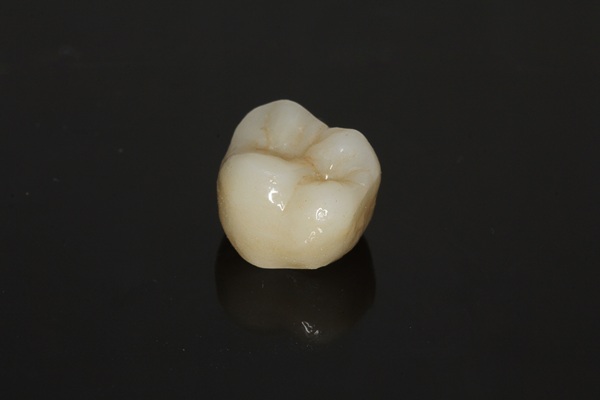
A dental crown can help restore a worn, cracked, or weakened tooth. However, before committing to a crown, many patients want to know how long it will protect their smile. The good news is that crowns are made to last for many years. The exact lifespan depends on the crown material, the health of the tooth underneath it, daily habits, and routine dental care.
Understanding the lifespan of dental crowns
Dental crowns have many uses, since they work like a custom cover for a tooth that needs extra protection. A dentist may recommend one for a tooth with a large filling, deep crack, severe wear, or damage from decay. They may also combine crowns with dental implants (artificial tooth roots) to replace missing teeth.
How long do crowns last?
The average dental crown lasts between five and 15 years, though some can last even longer. Exactly how long a crown lasts depends in part on where it is located in the mouth. A crown on a back tooth may wear faster than one on a front tooth because molars handle more chewing force.
In addition, the crown material plays an important role in strength, appearance, and long-term performance. A dentist chooses the material based on the tooth’s location, the patient’s bite, and cosmetic goals. Some materials blend beautifully with natural teeth, while others provide extra durability in heavy-chewing areas.
Explore the different material options and how well they tend to hold up over time:
Porcelain and ceramic
Porcelain and ceramic crowns can closely match the color and translucency of natural enamel, creating a bright, natural-looking result without drawing attention. A dentist may recommend these materials for teeth that need a balance of beauty and moderate strength. They often work well for front teeth. After all, appearance matters in these highly visible areas of the smile.
However, porcelain and ceramic crowns may need extra protection from excessive force. These materials also cannot be brightened with teeth whitening, so a patient may want to replace an older crown despite it still being functional.
Metal and gold alloys
Metal and gold crowns offer impressive durability. These materials can handle strong chewing pressure, which makes them a good option for molars. They are not easy to chip.
The downside is that gold and metal crowns do not match the color of natural teeth. This is another reason they are good for the back teeth, as they are less visible when speaking or smiling.
Porcelain-fused-to-metal (PFM)
Porcelain-fused-to-metal (PFM) crowns combine a metal base with a tooth-colored porcelain surface. The metal helps provide strength, while the porcelain helps the crown blend with nearby teeth.
Some patients may notice a darker line near the gumline as the gums change over time. This can happen when the metal base becomes more visible. While the crown may be functional, patients may want to replace it for aesthetic reasons at this point. A dentist can explain whether a PFM crown or another material may best fit the patient’s needs.
Zirconia
Zirconia crowns also combine strength and a tooth-colored appearance. This material can handle daily chewing pressure while still offering a natural look. A dentist may recommend zirconia for front or back teeth, depending on the patient’s bite and cosmetic goals.
Zirconia may work especially well for patients who need a crown in an area that experiences more pressure from chewing or biting. It can resist fractures and hold up well during normal eating. That said, like any restoration, it still needs proper care and regular dental visits to last on the longer end of the spectrum.
Daily care practices to help your dental crown last longer
Good daily care can help a dental crown last as long as possible. Patients should treat a crowned tooth like a natural tooth because the surrounding gum tissue and underlying structure still need protection. A consistent routine can reduce plaque buildup and lower the risk of decay near the crown edge. This includes regular brushing, flossing, and dental checkups.
Why dental checkups are important for crowns
Modern crowns offer strong and dependable protection, but as mentioned, they do not last forever. Over time, normal wear can affect the crown’s shape, fit, or appearance. A dentist can check for signs of cracking, loosening, decay, or bite changes during routine checkups.
Patients should also schedule a visit if a crown feels loose, causes sensitivity, or hurts when chewing. A small concern may be easier to address when the dentist catches it early.
Contact our team today
A dental crown can help a damaged tooth stay useful and comfortable for many years. With a few smart habits, patients can help protect their crowns and keep their smiles strong. Call our office for more information or to schedule a dental crown evaluation.
Request an appointment here: https://www.thecolonydentist.com or call The Colony Dentist at (972) 534-6001 for an appointment in our The Colony office.
Check out what others are saying about our dental services on Yelp: Dental Crowns and Dental Bridges in The Colony, TX.
Related Posts
A dental crown is a common restorative solution that helps protect and strengthen damaged teeth. By understanding what happens during the treatment process, you can approach it with confidence. The following comprehensive guide explains each stage involved, from the initial evaluation to long-term care.A dental crown is a custom-made cap placed over a tooth to…
Getting a dental crown is a seamless procedure that is done in dental offices every day. There are various reasons to get a dental crown, which will play a role in how the process goes. For example, for those getting a crown to finish the tooth replacement process after an implant has been inserted, the…
In some form, dental crowns have been a part of dentistry for centuries. This treatment is an important restoration method for people who have severe tooth decay. Cosmetic dentistry also uses crowns to improve patients’ smiles. If you are unhappy with the appearance of your teeth, a crown could be the right solution. Your dentist…
Dental crowns are common treatments used to fully restore teeth. Restoring damaged teeth can be done in several ways, depending on the severity of the damage or decay. One of the most popular ways that this is done is through dental crown placement.Here is a quick overview of dental crowns and how they are used…