Why Root Canals Are Not as Scary as People Think
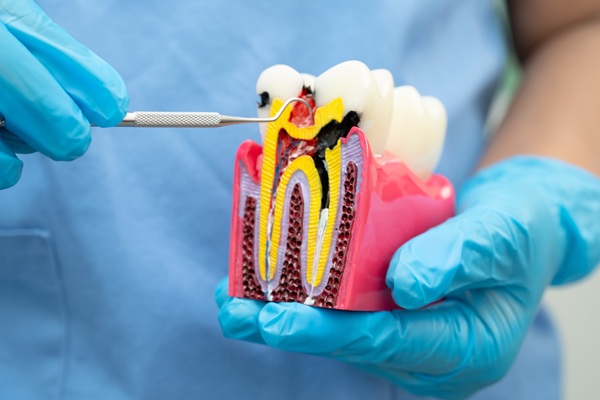
Despite an intimidating reputation, root canals are comfortable, tooth-saving procedures that actually relieve pain. Patient fears often stem from hearing old stories about outdated techniques or from reading confusing online information. In reality, a modern root canal usually feels similar to getting a cavity filled, with the added benefit of stopping infection and saving a natural tooth that might otherwise need to be pulled.
What a root canal really treats
Inside every tooth, a small space called the pulp houses soft tissue that contains nerves and blood vessels. Deep decay, cracks, or injury can cause this tissue to become inflamed or infected. When that happens, pain, temperature sensitivity, and swelling are common. If the infection remains untreated, the problem can worsen, spreading into the surrounding bone and causing an abscess. That is where a root canal comes in: It does not damage a healthy tooth but treats one that is already in serious trouble.
What happens during a root canal procedure?
A clear understanding of each step can make the process less mysterious for any patient, nervous or not. A typical root canal visit follows a series of carefully organized stages. These include:
- An exam and X-rays reveal the shape of the root canals and the extent of infection.
- Local anesthetic numbs the tooth and surrounding tissues.
- A small opening is made in the top of the tooth to access the pulp chamber.
- The infected or inflamed tissue is removed, and the canals are shaped and disinfected.
- The cleaned canals are filled with a rubber-like material and sealed.
- A temporary or permanent filling is placed, with a crown planned in many cases.
This step-by-step approach helps protect surrounding tissues, remove bacteria, and restore stability to the tooth. The procedure usually takes one or two visits. However, it depends on the complexity of the infection and the location of the affected tooth.
Modern numbing methods make the procedure comfortable
Much of the fear around root canals dates back to earlier times when anesthesia and dental technology were less advanced. Today, dentists use effective local anesthetics that numb the tooth and surrounding area thoroughly before any work begins. Many patients report that the numbing injection and overall sensation feel very similar to what they experience before a cavity filling.
Once the numbing takes effect, the tooth no longer sends sharp pain signals during the procedure. Dentists also use tools and techniques that reduce pressure and vibration. In addition, they will monitor patient comfort and pause whenever the patient needs a break. The overarching goal is to create a calm, predictable experience rather than a rushed one.
Other facts to know about root canals
Misconceptions about root canals spread easily, but modern facts give a very different picture. Common myths include the idea that a root canal always causes severe pain or that it can make a tooth weak beyond repair. In truth, the tooth is already compromised by infection, and the procedure removes the source of that pain.
Moreover, modern techniques and materials support high success rates. When a dental crown or durable filling is placed after the procedure, the tooth regains much of its strength and can withstand normal biting forces. Regular dental checkups and good oral hygiene at home further support long-term success.
Saving a natural tooth has long-term advantages
Tooth extraction may seem simpler at first, but keeping a natural tooth is often more beneficial in the long run. A root canal makes it possible for the tooth to remain in the jaw, which maintains proper spacing, preserves chewing efficiency, and helps protect bone volume. After removing a tooth, neighboring teeth can drift or tilt. Unfortunately, this can create gaps and bite problems that may require additional treatment later.
Pulling and replacing a tooth is a great option when a tooth is beyond saving. However, patients going this route can expect multiple procedures, additional costs, and adjustments to the tooth replacement. When possible, a successful root canal can avoid these extra steps. A natural tooth that has been properly treated and restored can often function for many years.
Get more information today
A root canal no longer deserves its scary reputation. With advanced techniques, this treatment focuses on comfort, relief, and preservation of natural teeth. Rather than causing pain, a root canal removes the source of infection that has been creating discomfort. For more information, contact The Colony Dentist today for an appointment with our team.
Request an appointment here: https://www.thecolonydentist.com or call The Colony Dentist at (972) 534-6001 for an appointment in our The Colony office.
Check out what others are saying about our dental services on Yelp: Root Canal Treatment in The Colony, TX.
Related Posts
Root canal treatment is often the first line of defense for treating teeth with compromised pulp chambers. The pulp chamber is the innermost layer of a tooth, and it stores nerves, blood vessels, and connective tissues. The chamber is sealed off from the rest of the tooth to protect it against bacteria and other irritants…
A preventive dentist can protect your mouth from different ailments. This dental care professional can perform treatments that can keep your teeth and gums healthy. Regular visits can ward off serious dental problems later on. Here are the details about visiting a preventive dentist for good oral health.The main goal of this field is to…
Practicing preventive dentistry at home allows you to reap many benefits for your general health. Brushing and flossing every day is a basic way of keeping your mouth in good shape. Having healthy teeth and gums helps support your whole body’s health. If you want to find out why good everyday dental hygiene is important…
Preventive dentistry deals with dental procedures to prevent dental issues, and it is critical for anybody who wants to keep their natural teeth for the rest of their life. Dentists used to spend most of their time treating dental issues rather than preventing them.Due to people's overly busy schedules, it is easy to put off…